
Case study
Sold out once. Then sold zero.
How a culinary residency that stopped selling filled four of six spots in six weeks.
- Client
- Food Culture Place
- Who
- Lori McCarthy
- Window
- Six weeks, kickoff to close
- What I did
- Strategy, film, photography, landing page, email series, webinar, paid media
The problem
Lori McCarthy has spent two decades building a reputation in Newfoundland food culture. Her culinary residency runs one day a month for six months: wild food, traditional preservation, the province's culinary heritage. Small groups. She wanted it at the centre of her business.
Year one filled with little effort. Year two sold zero spots.
By the time we spoke, she was asking whether the residency was a failed model.
The answer was no. Getting that answer wrong would have cost Lori the direction she wanted the business to take.
The starting point
Year one sold to people Lori already knew. Her email list, her network, the people who had been asking her for something like this for years. That is the easiest audience any operator will ever sell to, and it runs out.
By year two it had. Nothing connected her to anyone new. The residency was being sold through social posts, word of mouth and a webpage that was never built to sell. Between "here is a post" and "here is $2,400, I'm in", there was nothing.
Four participants made the program viable. Below four it would not run.
We had six weeks.
What I decided
Four calls made before anything got made.
Find the real constraint first
The strategy work came first, supported by a funding program Lori qualified for, subject to eligibility and availability. It showed the product was strong and the awareness was there. Everyone in Newfoundland food knows Lori. What was missing was a route to anyone outside her own circle, and any way for a stranger to feel what six months in her kitchen and on her land would actually be like.
Make a webinar the place the sale happens
$2,400 is a considered purchase, and the people who still needed to buy had never met Lori. The fastest way to close that distance is to put them in a room with her. Every ad, email and post pointed at one session. Lori hosted it. I designed and ran it.
Build one film that outlives the campaign
The residency film was made to carry the six-month program, then shot and cut so it also sold her shorter three-day format. One asset doing two jobs meant it kept earning after the campaign closed.
Send everyone to the same place
A dedicated landing page became the only destination in the campaign, so every ad, email and post could be measured against a single decision.
The film
Live the Land answers the only question a stranger has: what is it actually like to spend six months with Lori?
What I built
- Residency film
- Photography
- Dedicated landing page
- Sequenced email series
- Webinar design and hosting
- Social content
- Paid media
All of it inside a six-week window, from kickoff to close.
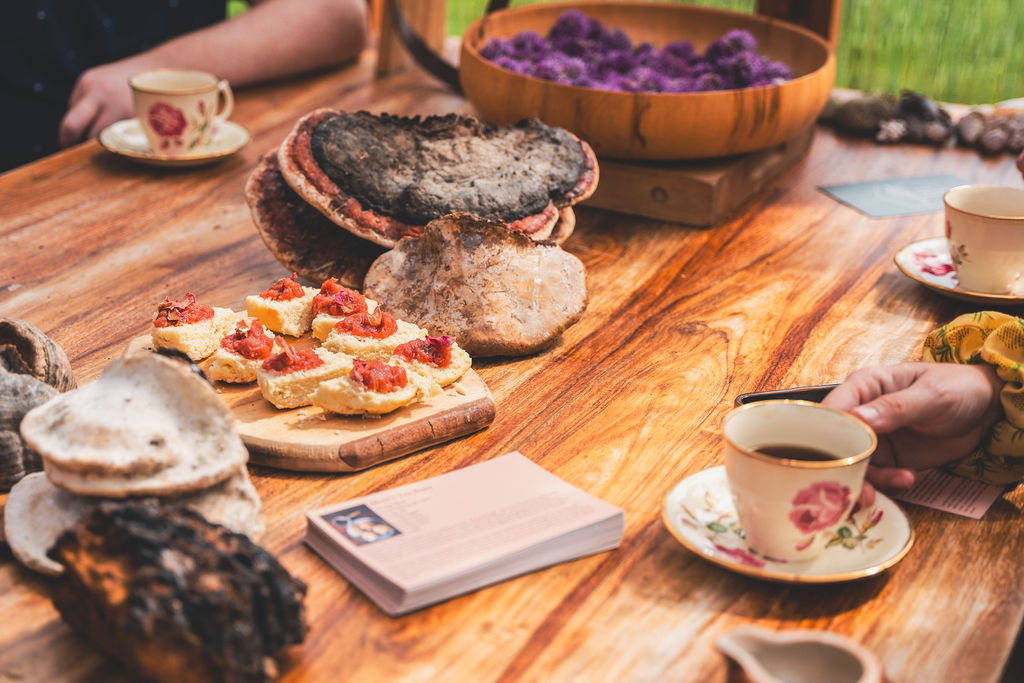
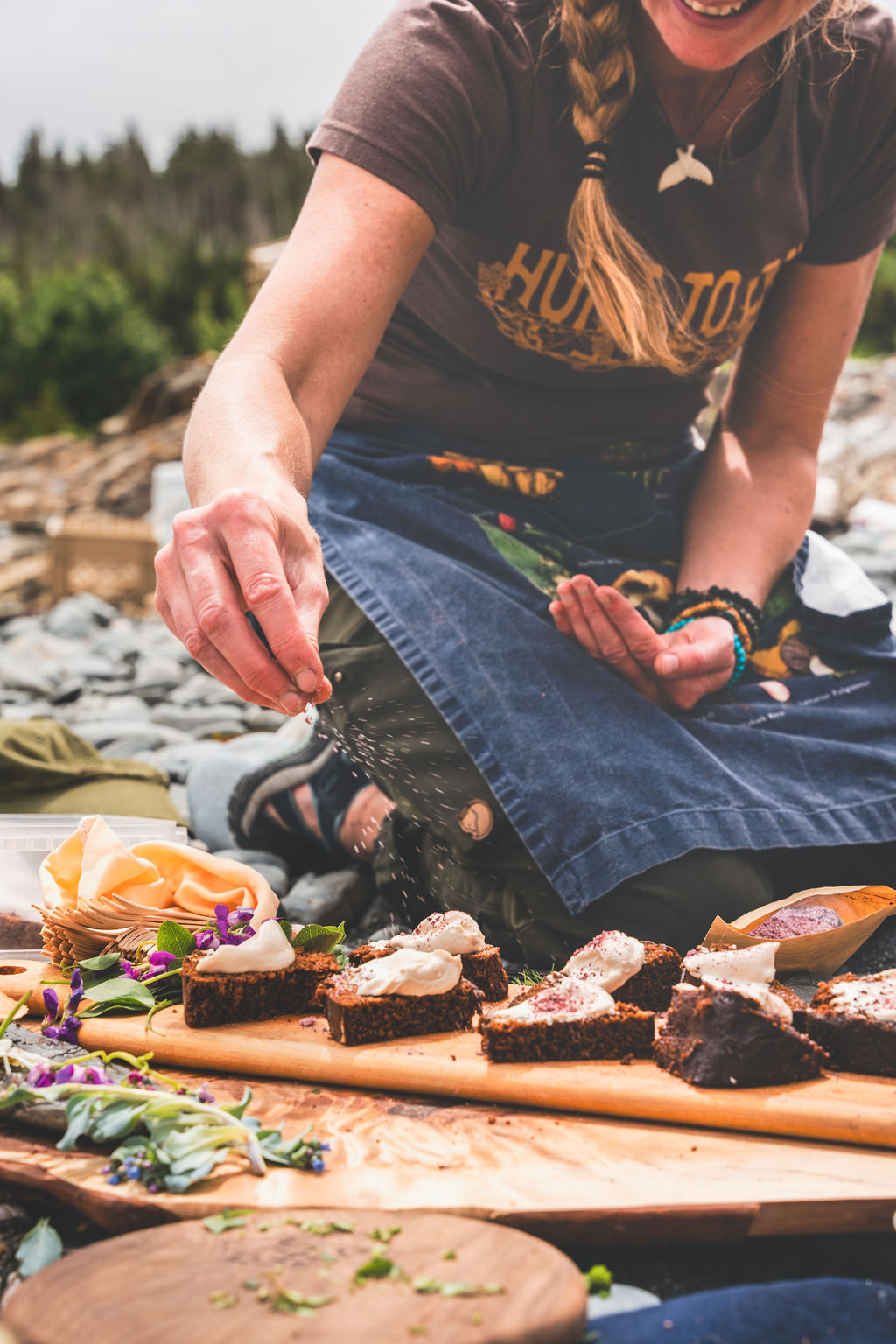
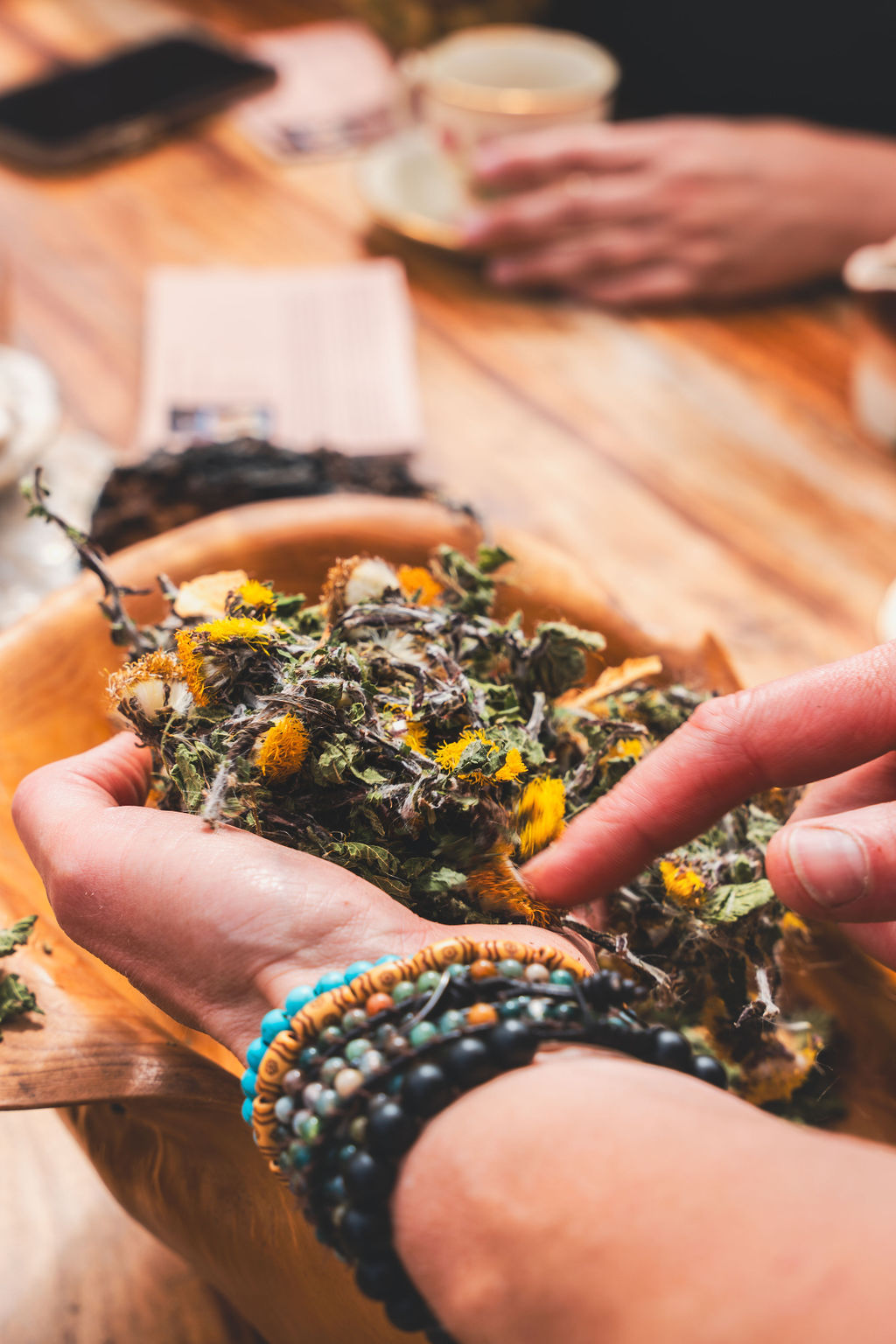
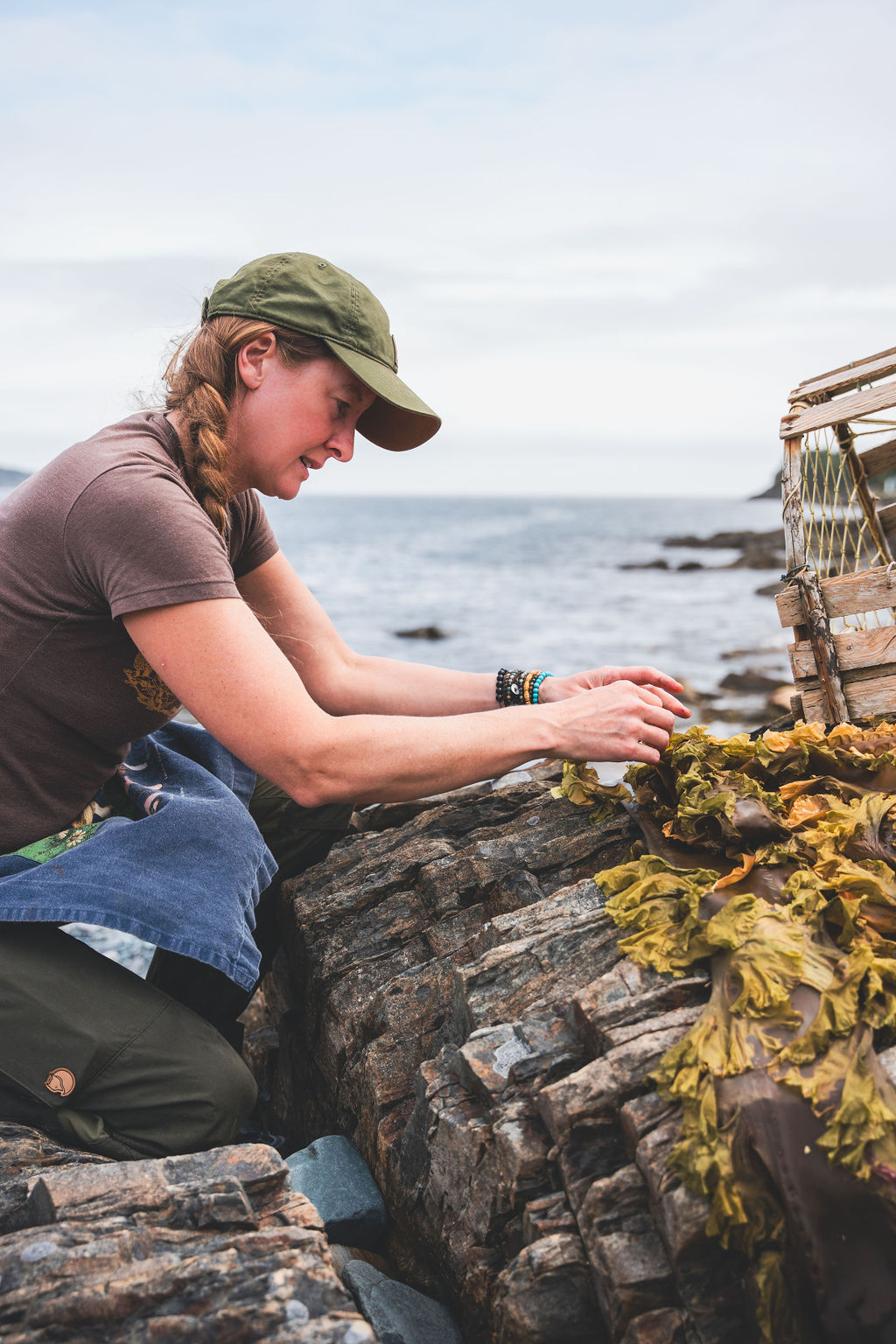
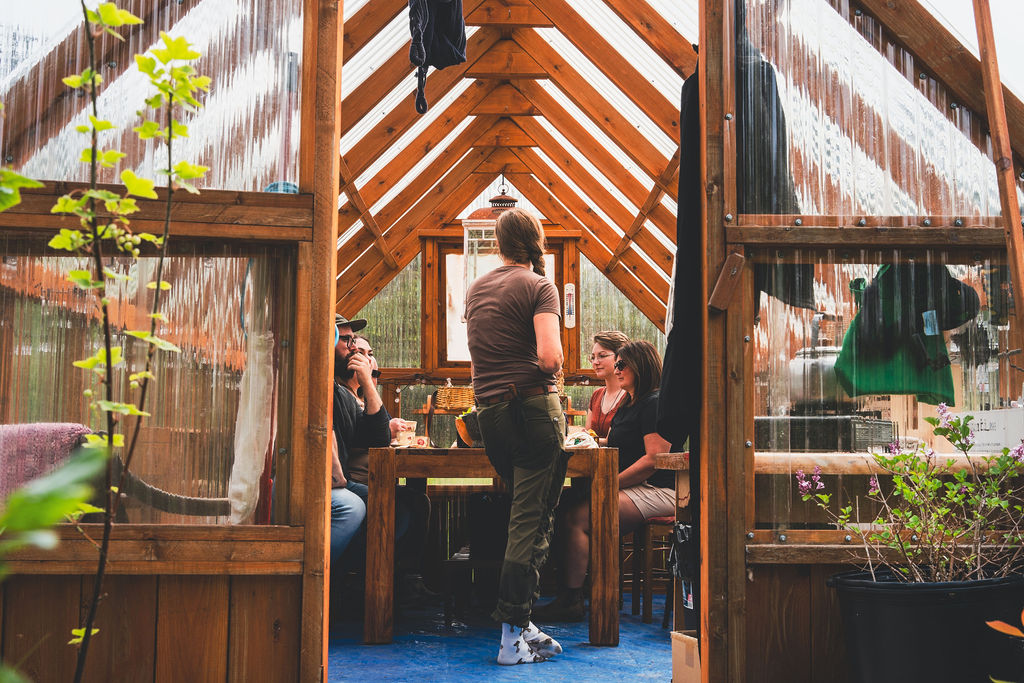
The photography
The library behind the landing page, the emails and every post in the campaign window.
The result
4 of 6
spots sold, up from zero the cycle before. The residency cleared its viability threshold and ran.
2 more
three-day residencies booked inside the campaign window, from the same campaign and the same film.
$13,200
in program revenue, roughly, against nothing the previous sales cycle.
The model worked the whole time. It had run out of people who already knew Lori, and there was no way for anyone else to find their way in.
Lori has since moved toward the shorter three-day residency and an online version. That is a decision about where she wants the business to go. The film still sells the format she kept, which is the job it was built to do.
Most programs that stop selling have simply run out of warm audience. The work is building a route to everyone else.