
Live lab, season one
We're building a tourism business of our own.
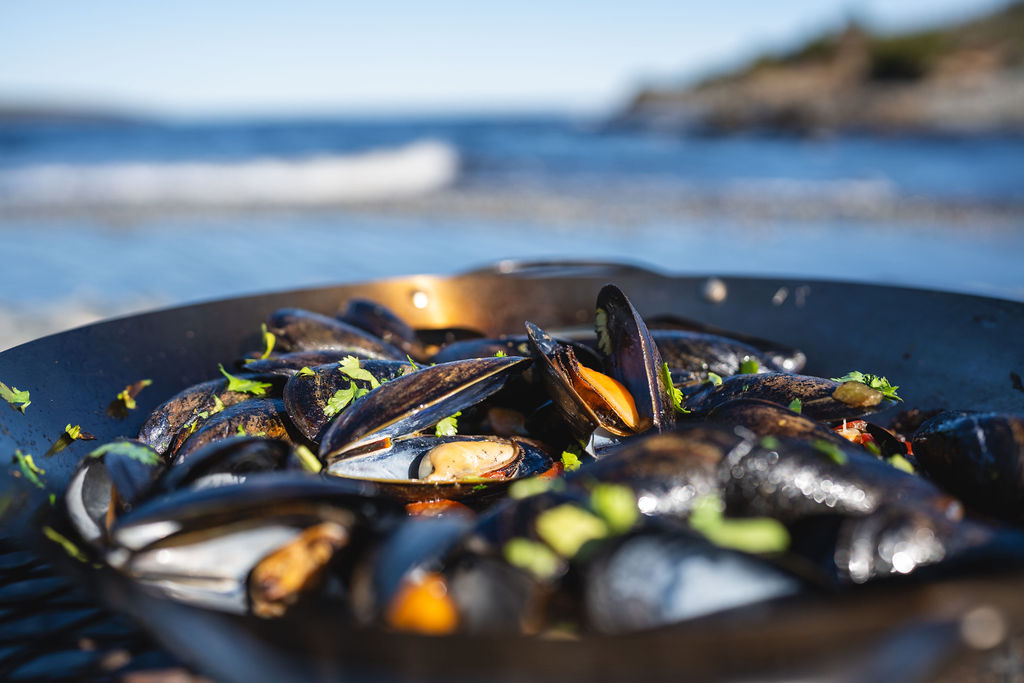
Shelby operates Wildera, a coastal foraging and beach boil-up experience on the Irish Loop. I look after the marketing. 2026 was our first full season, and this page is what it taught us.
Why this page exists
My partner Shelby and I have wanted to run a tourism business for the better part of ten years. The long-term goal is a resort. Wildera is how we are learning the industry from the inside while we build toward it: the experience, the audience, the brand, and the capability to run all three at once.
I am on the operator side of this too.
Working on Wildera changes how I think about client work, and client work changes how I run Wildera. I have sat with the weather forecast at 6am. I have watched a season's income arrive in four months and have to cover twelve. When I talk to an operator about their marketing, I'm not guessing at what their year feels like.
What I built before the season opened
Most operators start measuring after the season, when it is too late to learn anything. Wildera was set up properly before it took a booking.
- A marketing plan. Positioning, audiences and priorities agreed before anything was made.
- A website built to convert. Tour pages designed around the decision a guest is actually making.
- Photography and video. A content bank shot across the spring, before there was anything to sell.
- A social media strategy. Channels chosen deliberately rather than posting everywhere.
- An email funnel and lead magnet. An Irish Loop itinerary worth giving an address for.
- NewfoundlandLabrador.com listing optimisation. The provincial listing treated as a sales page.
- A corporate bookings strategy. A second market that does not depend on the tourist season.
- A review strategy. A deliberate process for asking, at the moment guests are happiest.
- UTM tags across every campaign link. So the question of what worked has an answer.
Then we ran the season and watched what actually happened.
41
Google reviews in our first season, with a five-star rating held all the way through.
Guest review strategy was a top priority
Reviews are the one asset that keeps working when nobody is posting, nobody is emailing and the ad budget is spent. They are also the thing most operators leave to chance.
Asking is a deliberate process. Ask at the moment the guest is happiest, make it take ten seconds, and do it every single time. A first season with no reputation to trade on is exactly when it matters most.
What the first season taught me
Six patterns worth checking against your own business.
A good post seeds three weeks of decisions
One organic Facebook post produced our busiest day of the season with no money behind it. The part that mattered came after. Booking-button clicks stayed well above average for the next three weeks, and that single window produced a large share of the season's booking intent.
Shelby had already told me, from running the business, that people book a boil-up one to three weeks out. The analytics found the same window independently, from the other direction. When an operator's instinct and the data agree without either one looking for the other, you can build a plan on it.
Check how long your own lift lasts after a good post. It probably decides your retargeting window, and seven days is likely wrong.Facebook moves people. Instagram gets seen.
Instagram produced more than twice the views. Facebook sent roughly five times as many people to the website. In Newfoundland, things travel through community groups, Messenger threads and people tagging their sister, and that is where a local audience acts rather than admires.
This is one province and one business. Treat it as a reason to check your own split rather than a rule.Search brings the most decisive visitors
Organic search converted to booking clicks at several times the rate of any other channel. Someone typing "beach boil up newfoundland" has already decided they want the thing. They are choosing who to do it with, which is a much shorter conversation than persuading a stranger.
The fewer people search brings you, the more each one is worth.Google can have your business classified wrong
Search Console showed the site being served to people looking for "breakfast near me", "restaurants near me" and "lobster roll near me". A meaningful share of impressions were going to people wanting somewhere to eat dinner tonight, who will never book a half-day foraging experience.
Meanwhile the queries that actually describe the business sat on page two, visible to nobody. Nothing was wrong with the content. Google simply had the category wrong, and that is fixable.
Look at what you are being shown for, not just what you rank for. The mismatch explains a lot of traffic that never converts.Coverage arrives whether or not you are ready
Wildera was featured in The Globe and Mail in August, and the busiest visitor week of the season is the week containing it. That week only counted for something because the site was built to convert, the booking system worked on a phone, and there was an offer for people who were not ready to book yet.
Plenty of operators get the feature and catch nothing. Build the net before you need it.The strongest channel is the easiest one to neglect
Wildera's email list opens at two to three times the tourism average. It is the most engaged audience the business has. From the end of June through September, it heard nothing from us. It grew fastest in exactly the weeks we were quietest, which means people raised their hand during the booking window and got silence.
This is the capacity problem in one example. The season got busy, client work came first, and the best channel in the business sat idle at the moment it mattered most.
If it only happens when you have spare time, it will not happen in July. Write the season's emails before the season starts.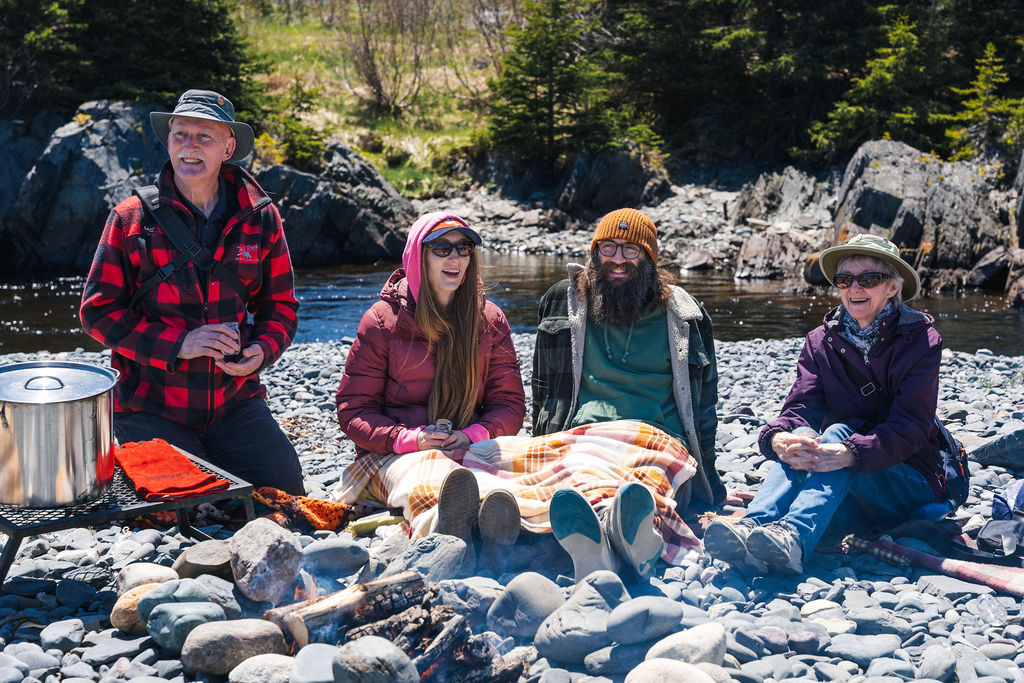
What we are changing for 2027
Eight decisions this season made for us.
Put the email capture on the tour pages
One page carries over half the site's traffic and had no way to hold someone who was not ready to book that day. One change touches the biggest page, the best capture mechanism and the most engaged channel at once.
Build the email engine
Growing the list and using it are the same job. More ways in across the site, then twice monthly through May to September, sized for a one to three week decision window. Written and scheduled before the season opens, because that is the only way it will happen.
Fix what Google thinks we are
Correct the business classification and structured data, then push the category terms off page two.
Point paid at bookings
Paid this season was run to build awareness, grow the audience and seed lookalike audiences for later. That groundwork is done. In 2027 paid gets pointed at bookings directly, with the audiences already built and warm.
Retarget on a three-week window
Three weeks rather than seven days. The data and the operator agree on this one.
Build the conversion video suite
Sadly I did not have the capacity to install our conversion video suite on Wildera's website this year. Season two gets the full suite: a film that sells the experience, shorter cuts for the tour pages, and vertical versions for paid and social.
Print that does a job
A digital brochure and rack cards, built to carry people back to a page that converts rather than sitting in a rack looking pretty. Tourism still runs on a visitor centre and a hotel lobby.
Sell something in the off season
Four months paying for twelve is the hard math of this industry. Digital products and online courses give the business something to sell between October and April, and give the audience a reason to stay connected when there is nothing to book.
Last updated September, 2026 Season covered May to September 2026